The
Livestock Improvement Programme (LIP) was created in 1976 as one of the six
research programmes of the institute. The main purpose for the creation of the
programme was to improve the indigenous livestock breeds and to develop the
livestock components of the Agricultural Development Programme of Southwestern
States. The programme has not deviated from this mandate and has been
contributing to the practice of animal production in the country through
research and training. The programme is also entrusted with improvement of
livestock productivity for sustainable food security through research and
training of farmers and other stakeholders in the livestock production
industry. The improvement in livestock production is carried out through:
(1)
Genetic improvement of the indigenous breeds of livestock in the country.
(2)
Feeding and housing management for improved productivity and
(3)
Ethno-veterinary medicine for healthy livestock production.
The
programme conducts applied research on livestock production, nutrition, genetic
improvement, housing and management and ethno-veterinary care for livestock.
The Livestock Improvement Programme has facilities for livestock research,
production and training of farmers. The various units in the programme are
engaged in research on and production of poultry species (broiler chickens,
layers, cockerels and Muscovy ducks), improved pigs (Landrace, Large white and
Duroc), ruminants (cattle, sheep and goats), micro-livestock (rabbits,
grasscutters and snails), livestock feed and pasture legume seed production.
All the units in the programme play major roles in the delivery of proven
livestock production technologies that help in the production of affordable
quality protein by Nigerians.
The
scientists in the programme have practical and theoretical knowledge in
livestock production. Their disciplines are in animal breeding and genetics,
animal nutrition with specialisation in ruminant, monogastric and
micro-livestock nutrition, animal physiology, veterinary medicine, wildlife production,
pasture production/ conservation and agricultural economics
Pictures of technologies with captions
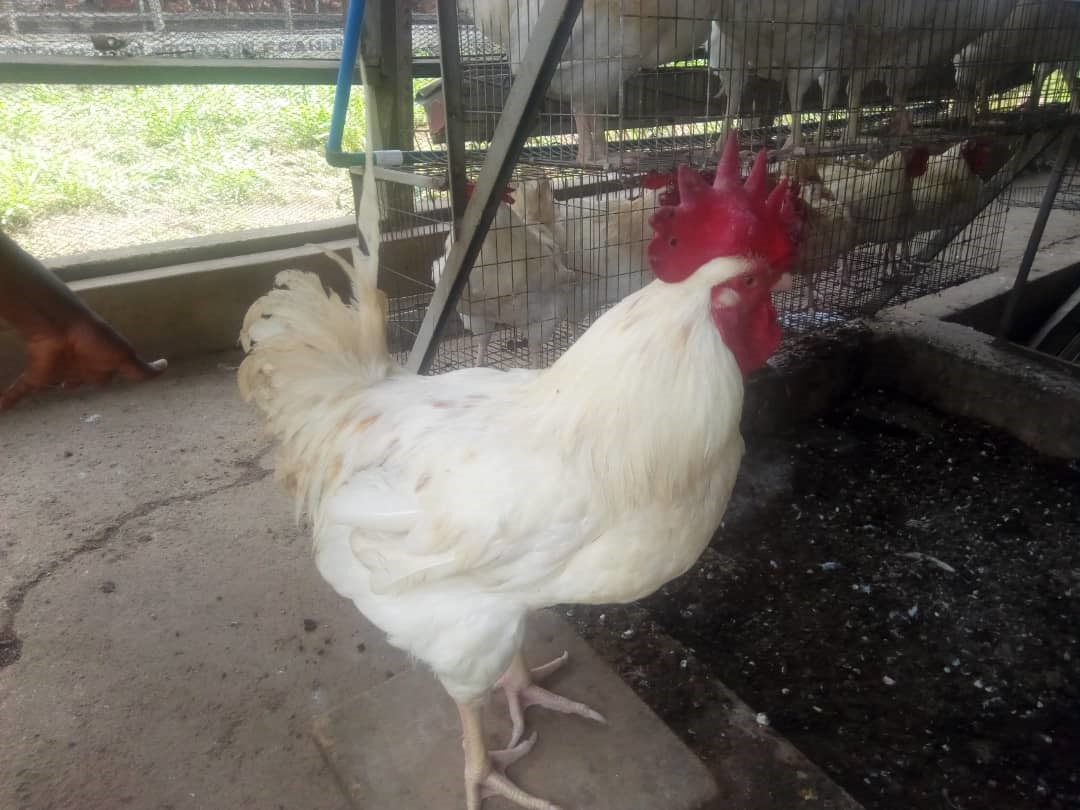
Eight-8-weeks-grand-parents-stock-of-hybrid-produced.
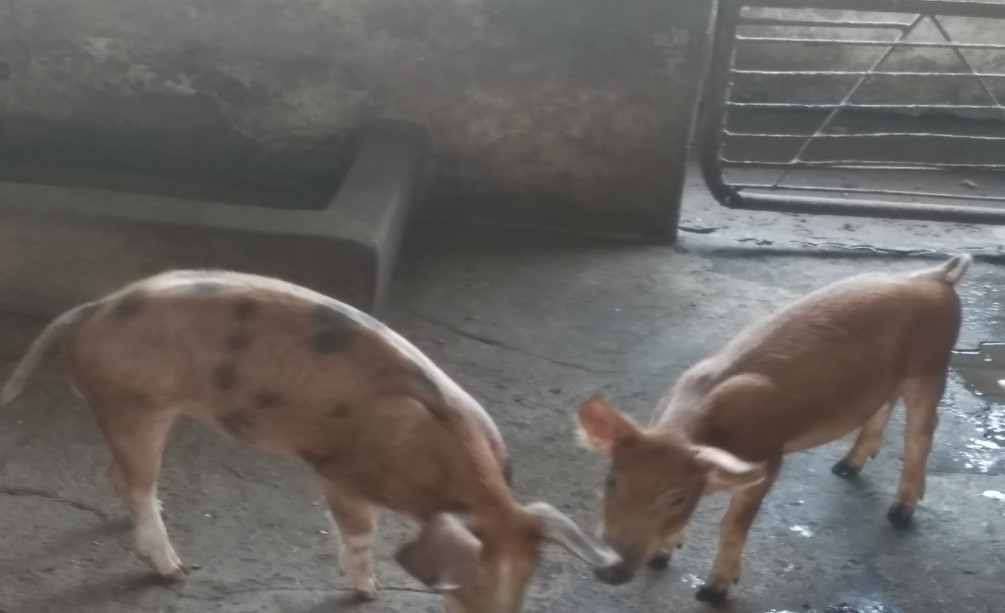
Hybrid-pigs-from-Landrace-pure-line-and-indigenous-pig
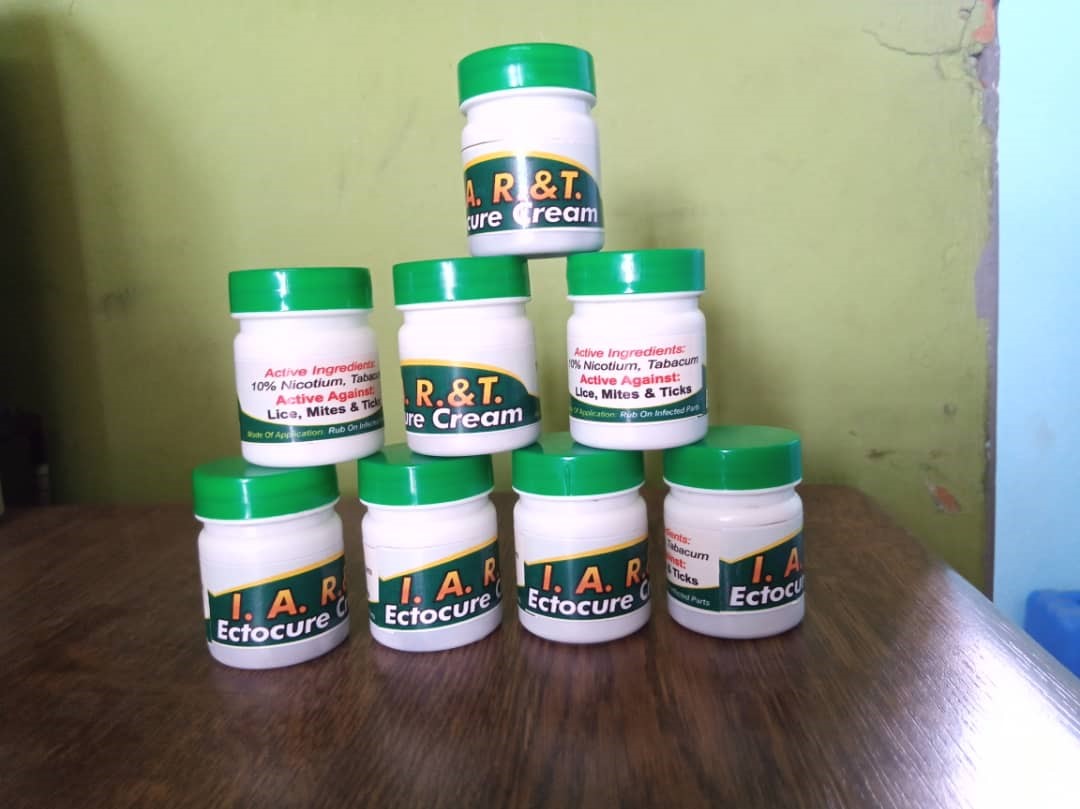
IART-Ectocure-cream-to-prevent-ectoparasites-in-livestock-small-ruminants-swine-rabbits-grasscutters
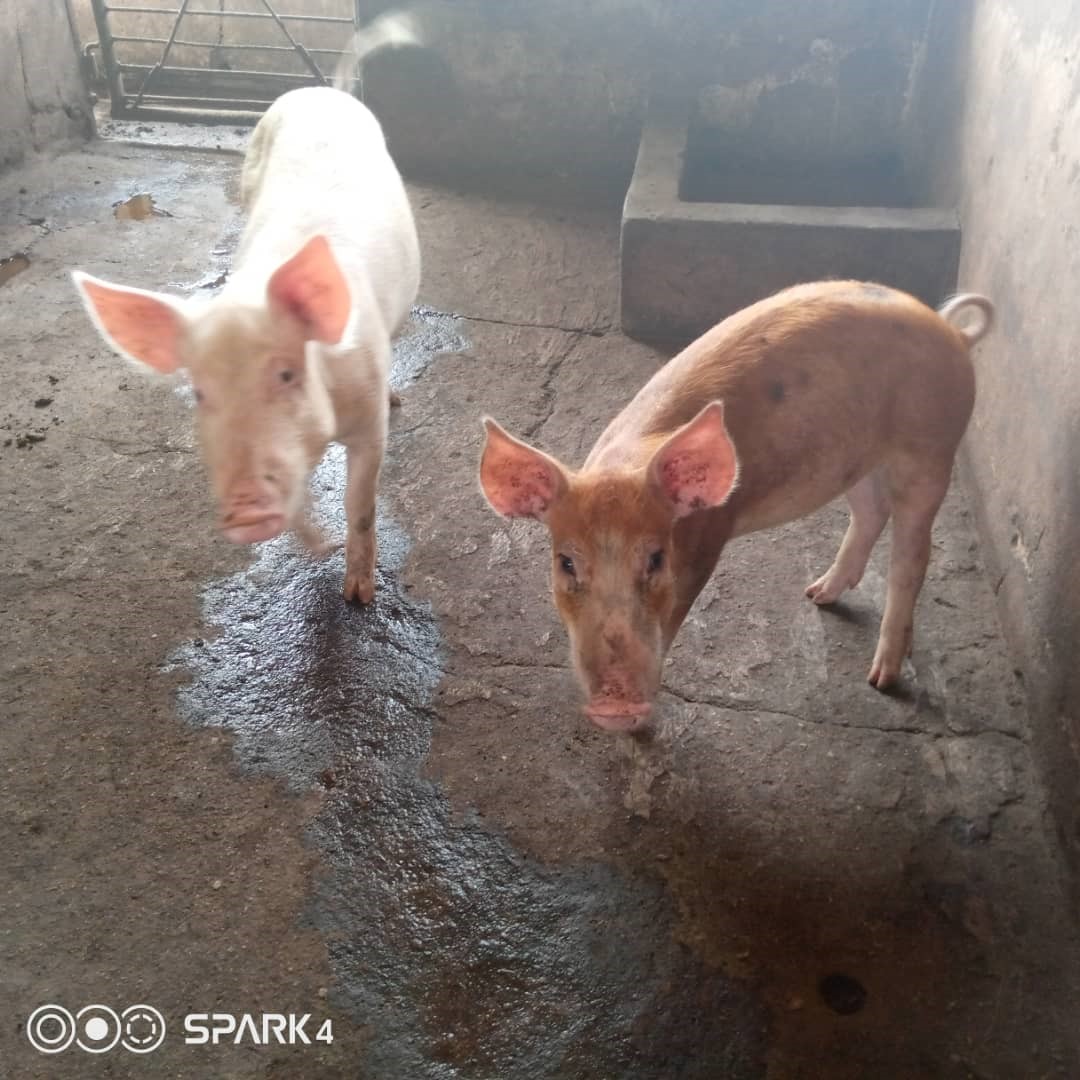
Hybrid-pigs-from-Large-white-pure-lines-and-indigenous-pigs
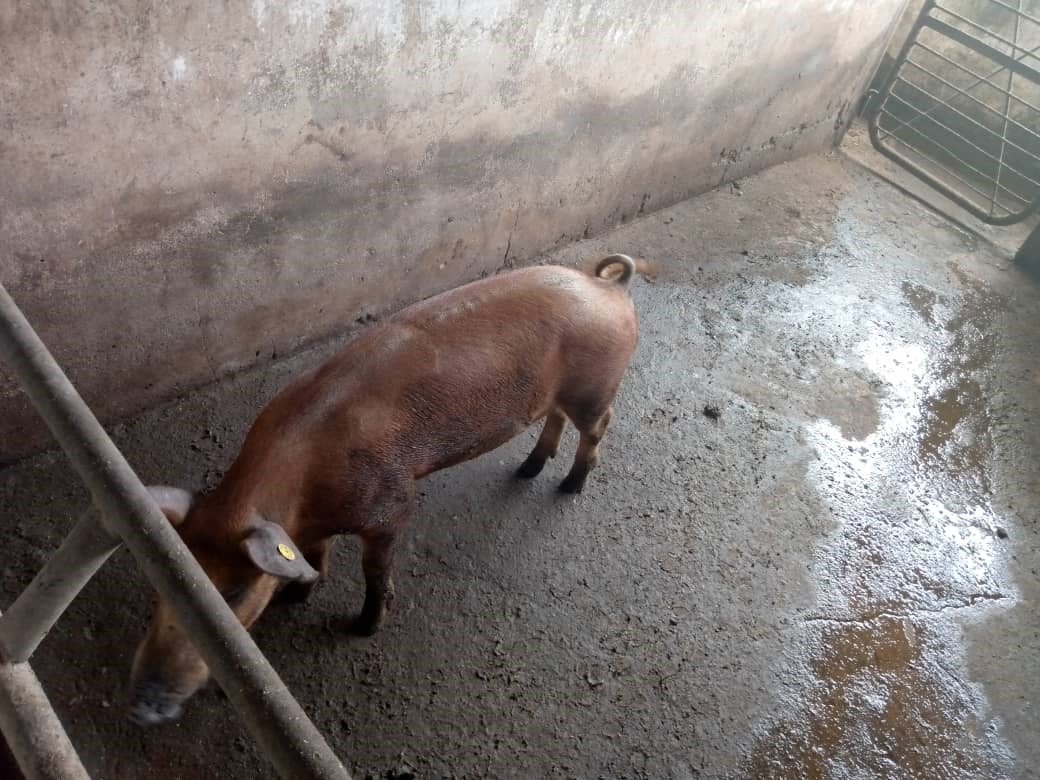
Hybrid-pigs-from-Duroc-pure-lines-and-indigenous-pigs.
MEET Our RESEARCH Team

Dr. Bosede A. Makanjuola
Principal Research Fellow
Head of Programme

Research Professor
Animal Science

Prof. Adeboye J. Omole
Research Professor
Animal Science
Prof. Temitope F. Ajayi
Research Professor
Animal Science

Prof. Ayinde A.Taiwo
Research Professor
Animal Science

Principal Research Fellow
Agricultural Economics

Principal Research Fellow
Wildlife management

Research Fellow I
Animal Science

Research Fellow I
Vetinary Medicine

Principal Research Fellow
Animal Science

Dr. T. O Olorungbounmi
Senior Research Fellow
Soil Microbiology

Mr. Patrick C. Emure
Research Fellow II
Animal Physiology

Research Fellow II
Animal Science

Junior Research Fellow
Animal Physiology