Agricultural Value Addition Programme was formally known as Product Development Programme and had its name changed to Agricultural Value Addition Programme in July 2019 to ensure its all encompassing research works.

The programme conducts basic and applied  research into technology improvement and innovation in processing and utilisation that would contribute to food security through reduction of food losses and increase value-added products for sustainability and wealth creation.

The programme has experienced and competent scientists from various disciplines including Human nutrition, Food science, Nutritional biochemistry, Food microbiology, Meat science, Agricultural extension and rural development and Agricultural engineering

Subtheme of the Activities of the Programme:

1. Sustainable processing and utilisation of maize and other mandate crops for alleviation of poverty and malnutrition.  

2. Utilisation of legumes ( including underutilised legumes) for improved nutrition and economic development.

3. Development of ideal processing conditions and utilisation for good quality kenaf products and other industrial crops.

Read More
Research Objectives
  • Optimizing food-processing technologies to reduce drudgery and time of processing.
  • Developing food products for different categories of people for sustainable health 

  • Analysing food products for nutritional, microbiological, biochemical and sensory characteristics. 

  • Improving shelf life characteristics of crops and processed foods. 

  • Developing food modules and trainings for cottage, low, medium and large scale food industries to avert postharvest losses and contamination and to improve nutrient retention
  • Developing effective packaging systems for retention of texture, flavor and nutrients of processed foods and to extend/prolong shelf life.

Research Focus

In view of the need to fight food and nutrition insecurity, the programme is developing technologies on the cultivars of the Institute’s mandate crops (maize, grain legumes, kenaf and jute). This is to contribute to food and nutrition security through the reduction of food losses and increase in value- added products for healthy living and wealth creation.

Current Activities
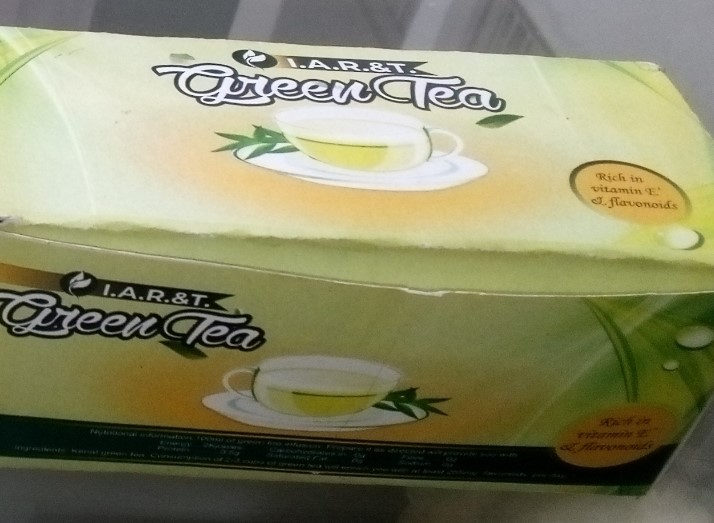
  • Development of green tea from kenaf leaves for healthy nutrition.
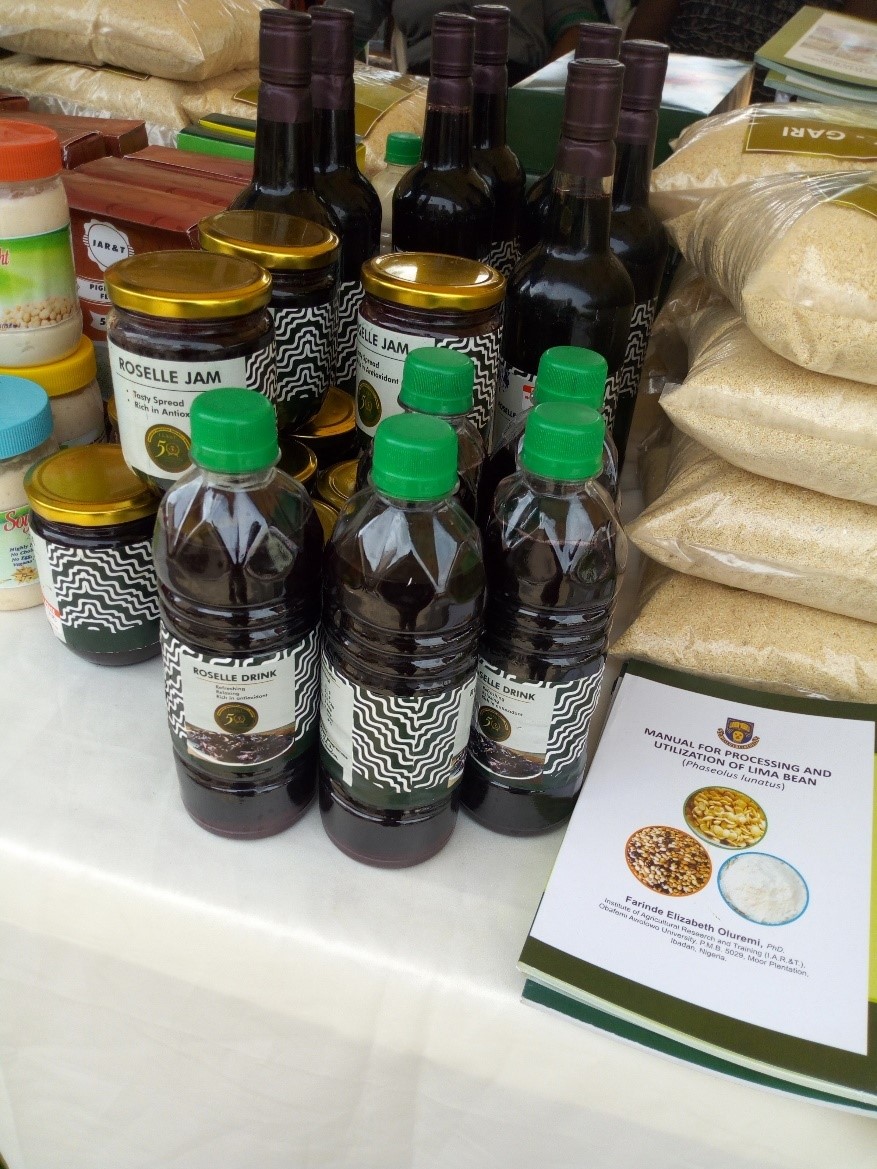
  • Biochemical characterization/evaluation of roselle calyces for the development of quality products.
  • Evaluation of sunflower seed oil for healthy diets

  • Improved Custards Nutrients characteristics with a blend of Lima bean and cassava starch.
  • Promoting developed technologies of pigeon pea products and processing technologies
  • Assessment of the nutritional quality and sensory properties of cowpea- based food products from different cowpea variety
  • Development of pasteurized fermented goat milk
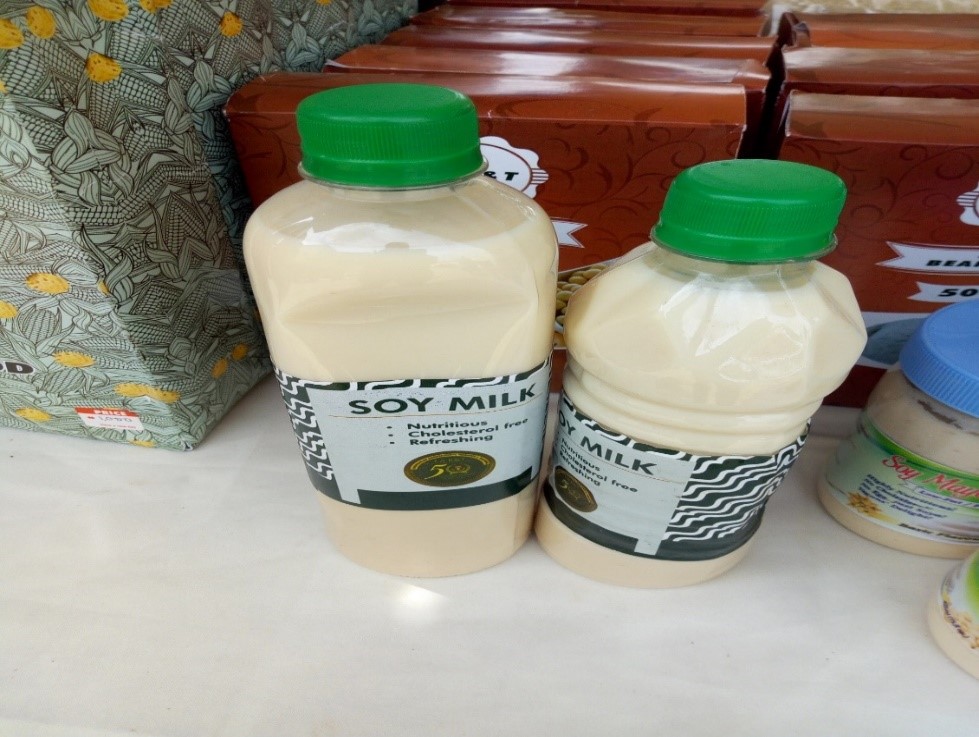
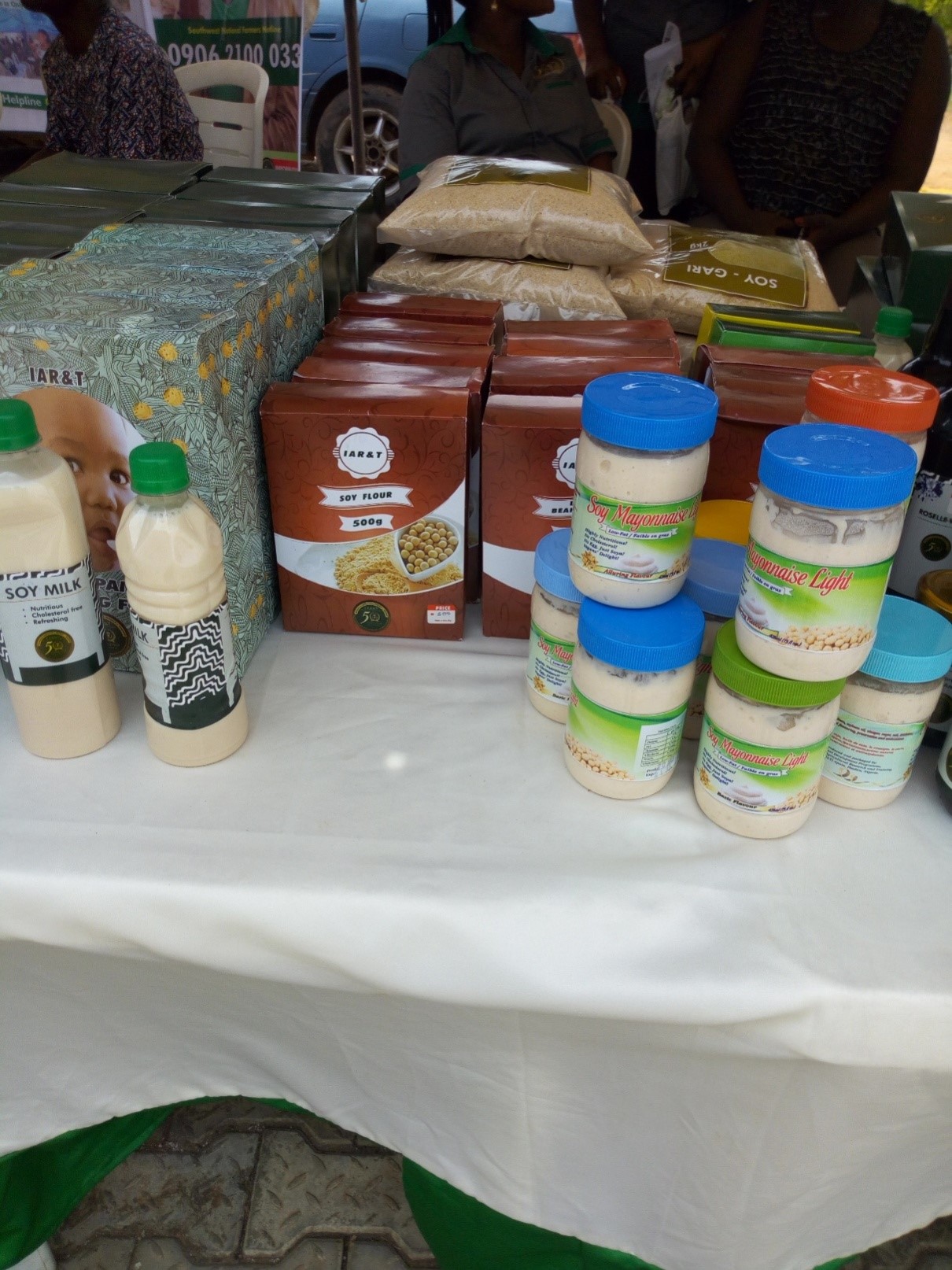
  • Innovative soya milk processing technologies for improved nutritional quality.
  • Evaluating the microbiological quality of snail meat and improving the shelf life using different processing and packaging methods for domestic consumption and the international market.
  • Metabolomics activities of bacteriocin producing lactic acid bacteria
  • Processing of nutritious and healthy products from underutilized legumes and pork.
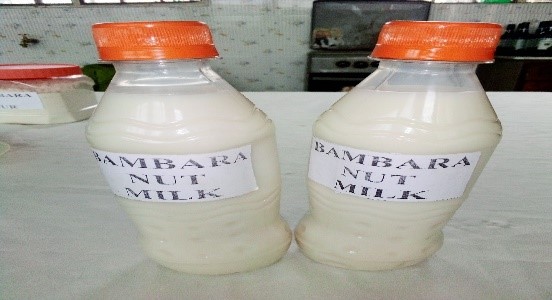
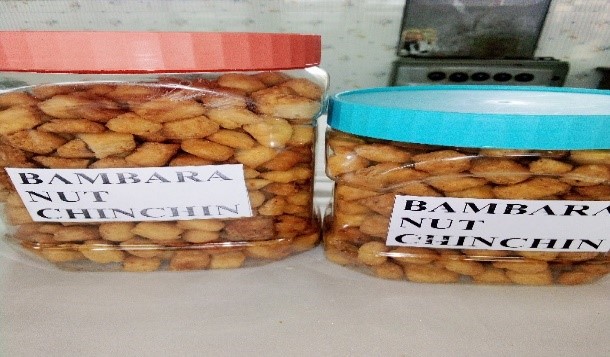
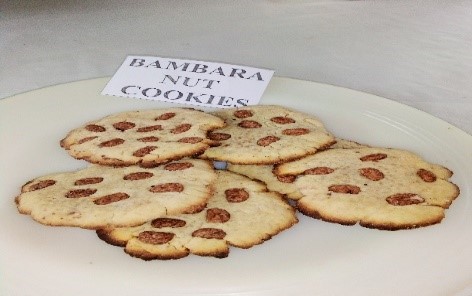
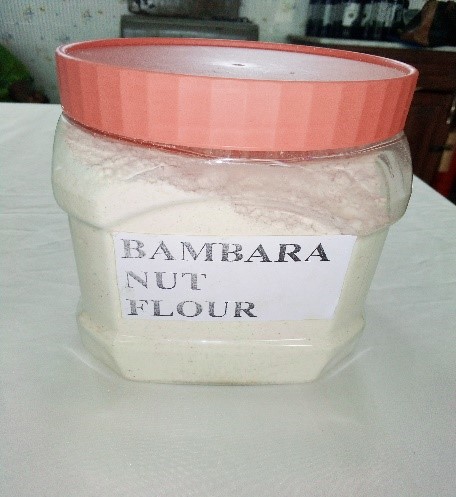
  • Development of products from Bambara groundnut seeds.
  • Capacity building on IAR&T food processing technologies for household food security and income generation

    - Training on innovative cassava processing for income generation

    - Training on roselle processing for income generation

    - Training on soya bean for income processing

    - Training on underutilized legumes for income processing

External Grant

The following grants have been enjoyed by the programme:

1. International Development for Research Center (IDRC)

2. Department for International Development (DFID)

3. Food Foundations (FF)

4. United States Department of Agriculture/ Federation of American Scientists (USDA/FAS)

LIST OF GRANTS WON

TETFUND grant for Appropriate Processing Technology for Carotenoid Retention in Yellow Cassava

Year: 2023


Institutional Based Research Fund (IBRF) TETFUND grant on Optimizing Dairy Production and Bio-preservation: A Survey of Farm Practices and Metagenomic Insights into Functional Milk Beverage Stability.

Year: 2025

Donor: TETFUND


DelPHE Project 758: Urban Agriculture as a stimulus for urban and peri-urban planning in Nigeria

Year: 2011

Donor: British Council and Department for International Development (DFID), United Kingdom

Amount: £72,000.00.


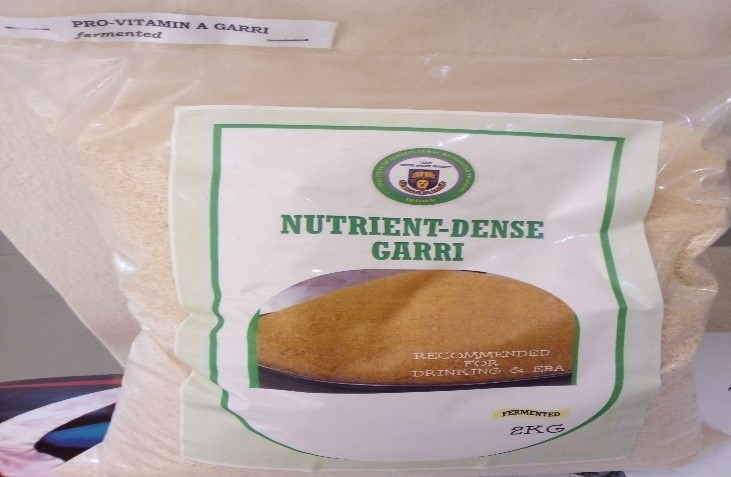
Name of Grant: National Research Fund (NRF) for Research and Development of Nutrient Dense Garri (NDG) and its commercialization through entrepreneurially grown youth and existing actor processing outfits

Year: 2021

Donor: TETFUND

Amount: N47,075,188.00


Name of Grant: National Research Fund (NRF) for Conversion and Commercialization of Rabbit Waste in Bio-fertilizer, Bio-herbicides and Bio-pesticide for Crop Production

Year: 2022

Granting Body: TETFUND

Amount: N33, 000.000.00

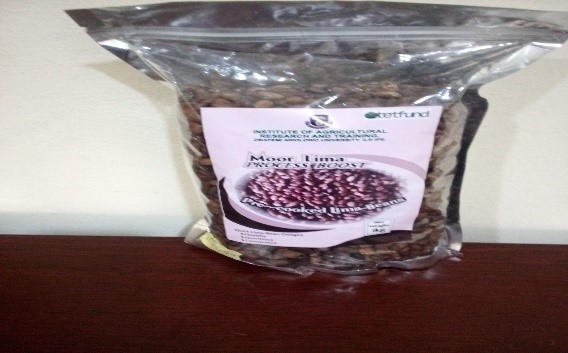
Name of Grant: Institutional Based Research Fund (IBRF) for Improving Lima Bean (Phaseolus lunatus) Utilization Using Pre-cooked Technology (A Food Transition Programme) for Enhanced Food and Nutrition Security in Nigeria. 

Year: 2023

Granting Body: TETFUND

Amount: N1,881,366.00

Past Achievements
  • Generation of food products from roselle, pigeon pea, lima bean, dried kenaf and Chocorus vegetables, soybean, bambara groundnut , pigeon pea, maize, quality protein maize, and roselle. All technologies were developed for household, cottage and industrial use.
  • Development and nutritional evaluation of shelf-stable products from:

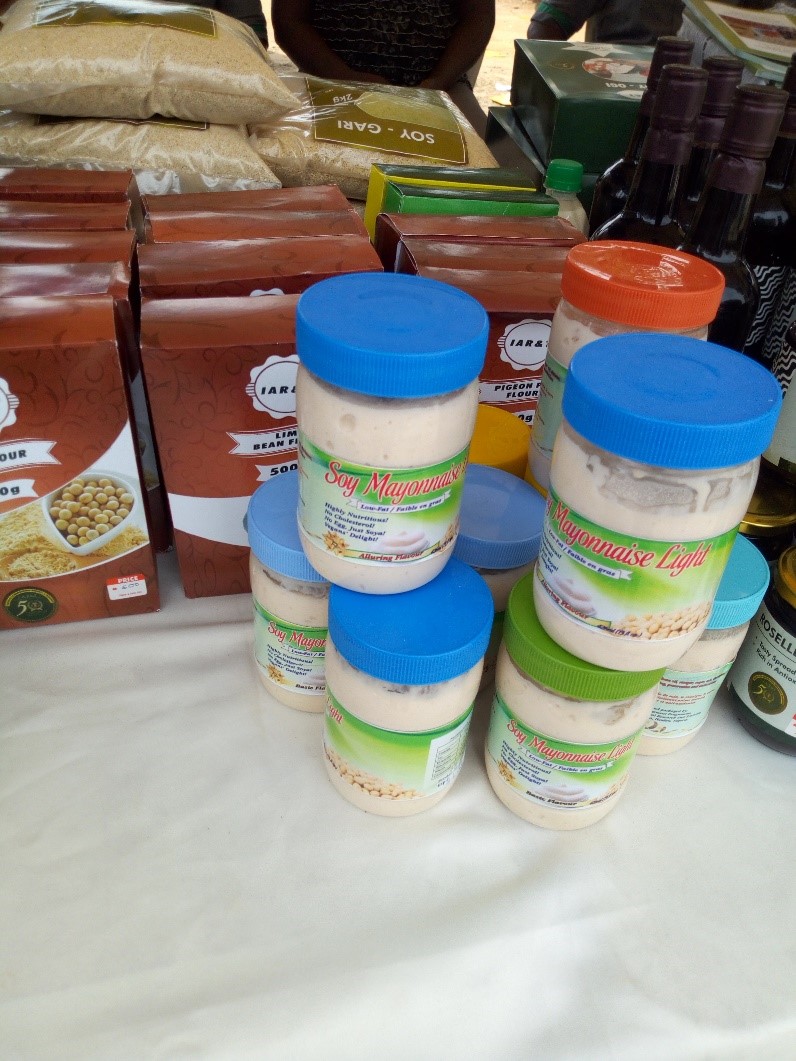
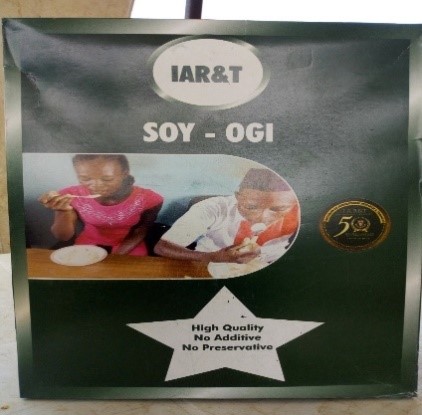
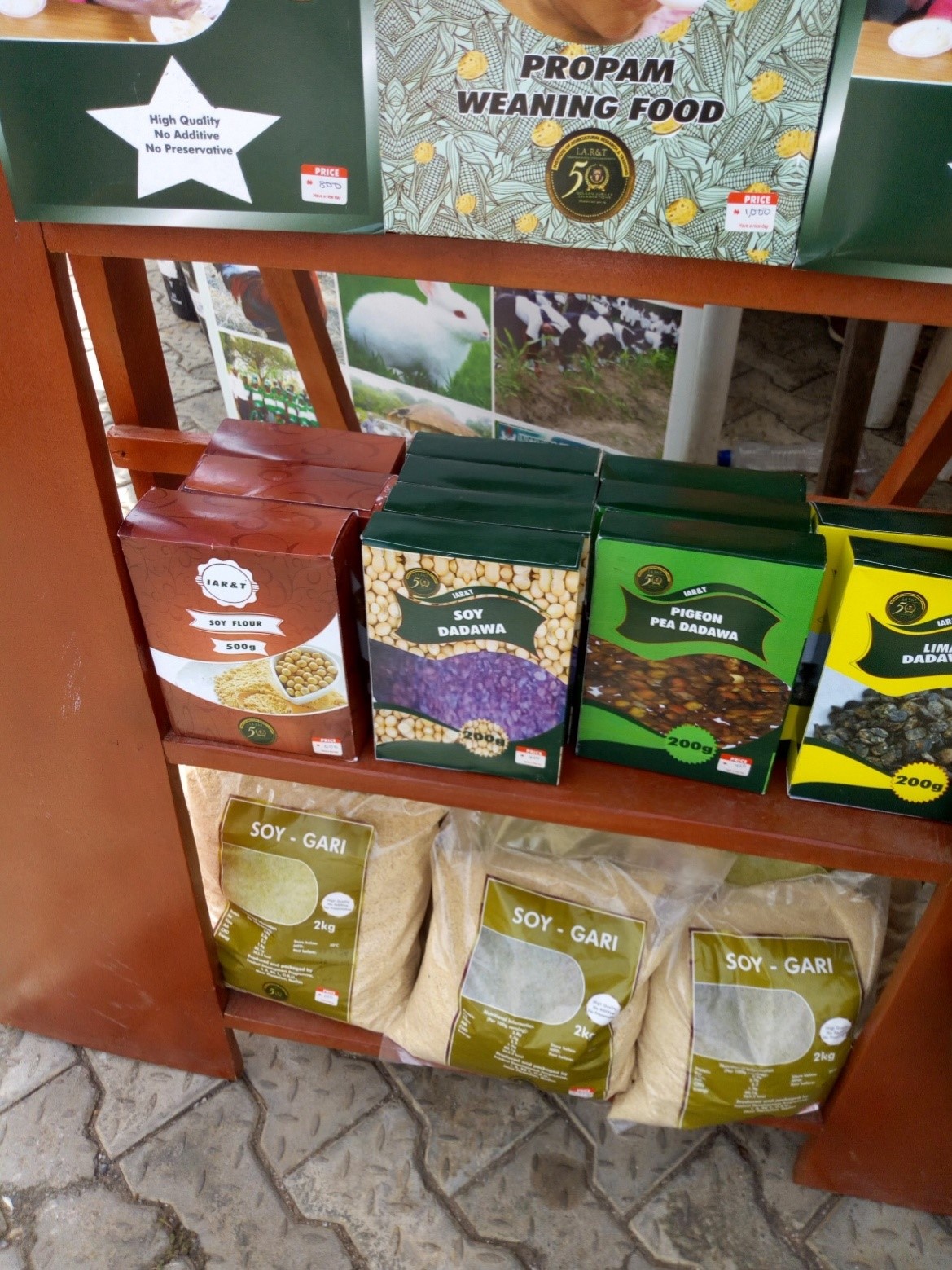
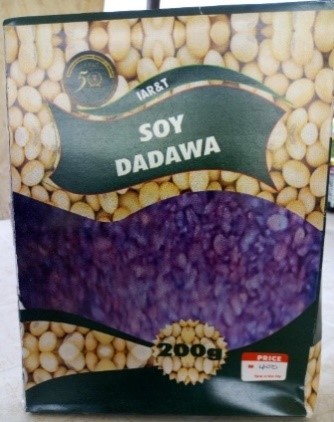
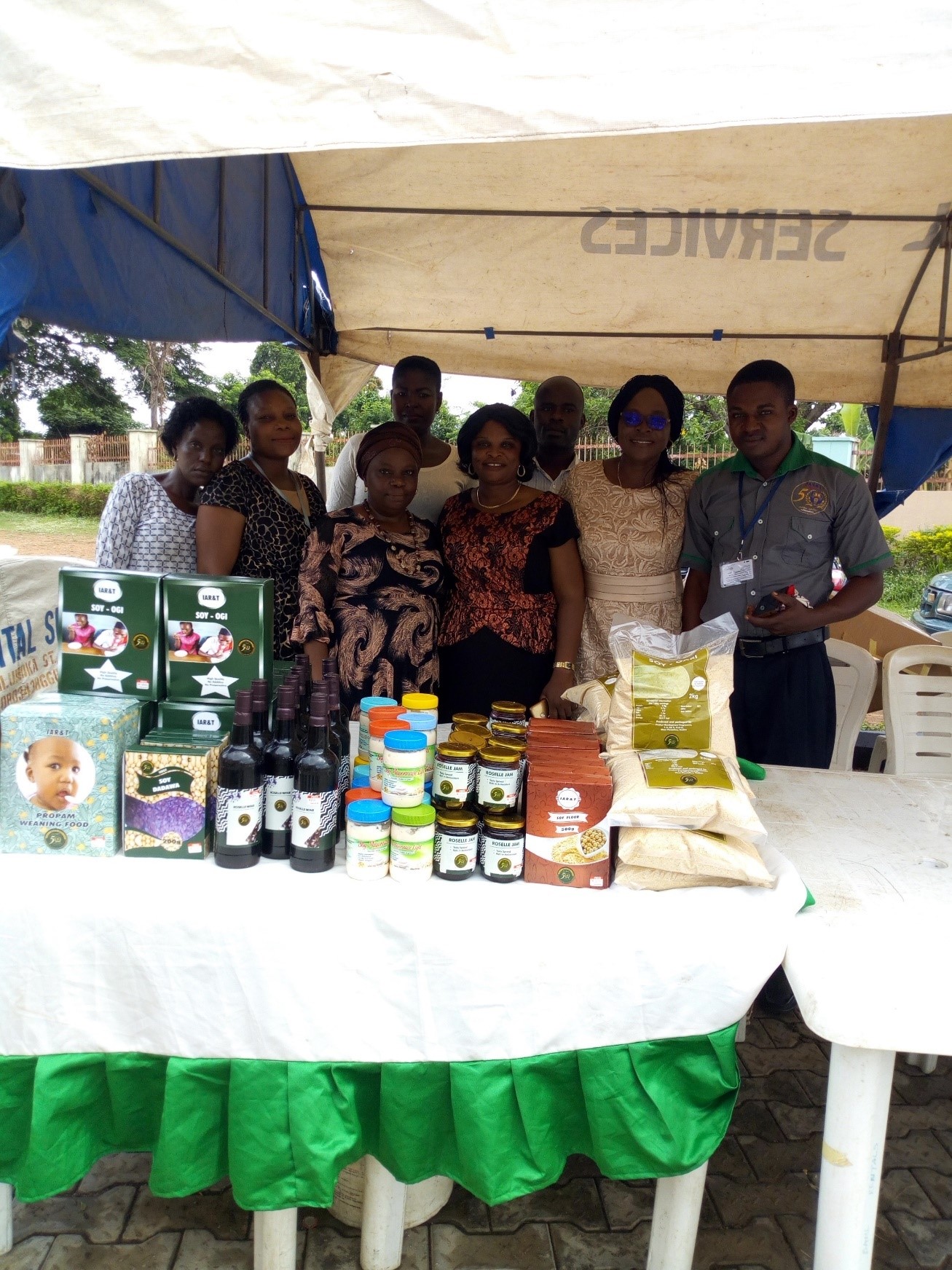
    (i) Soya bean such as cheese, milk, yoghurt, tofu sticks,  dawadawa,  soya-ogi,  soya-garri,  soya-corn milk,  soya-mayonnaise,  soya-burger, and other soya-based snacks.

     (ii) Roselle such as wine, tea and jam.

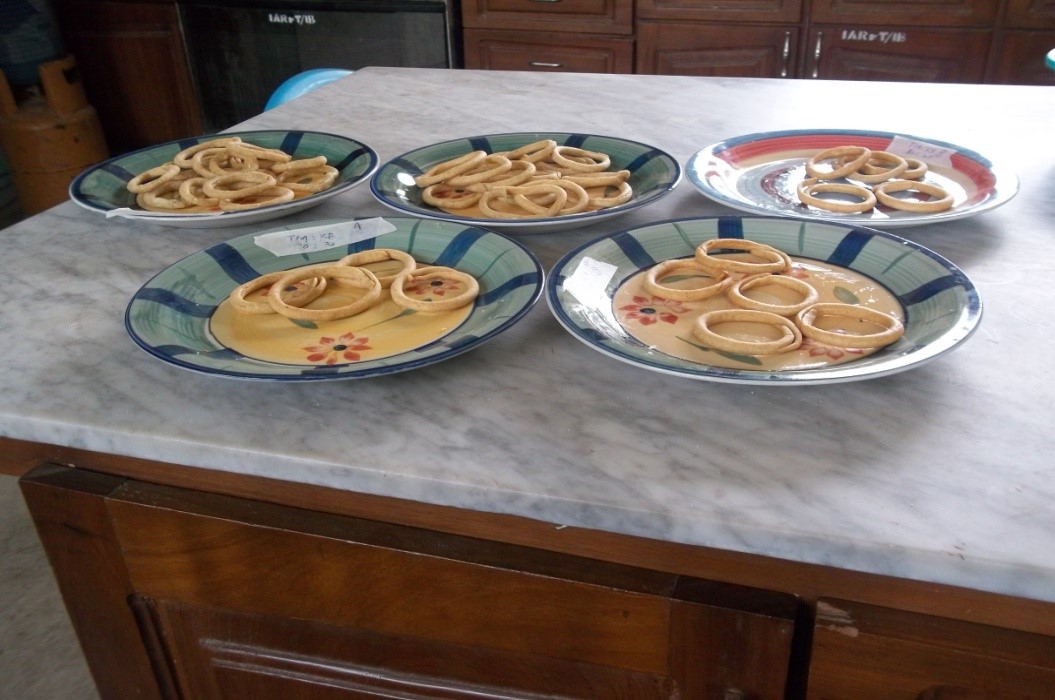
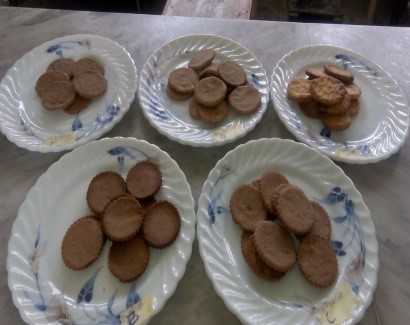
    (iii) Maize-based snacks such as maize biscuits and maize chinchin.  

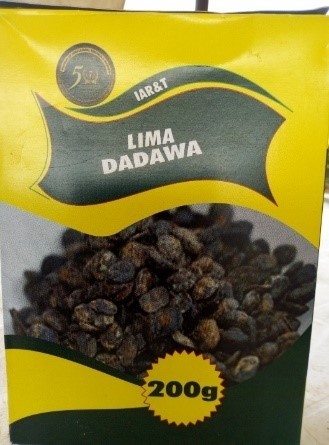
    (iv) Pigeon pea such as dawadawa in fresh, dried and cube forms, maize-pigeon pea flour and snacks, fufu-pigeon pea flour, lafun-pigeon pea flour.

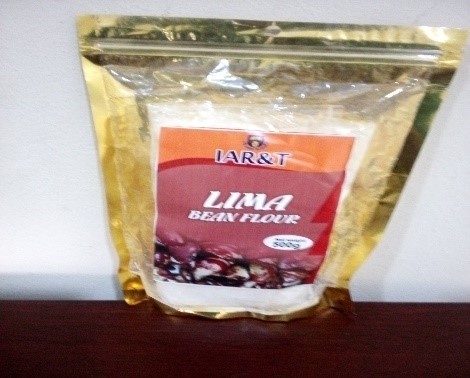
    (v) Others include lima bean snacks, dawadawa, moinmoin, alapa and ekuru. Quality protein maize (QPM) spiced cake, QPM kokoro and QPM- kidney bean abari.
  • Developing food training modules for cottage, low scale and large scale food industries to minimise postharvest losses and contamination, and for improved nutrient retention.
  • Developing effective packaging systems for retention of texture, flavour and nutrients of highlighted processed foods.
Future Plans
  • Patenting of our products
  • NAFDAC registration for our products
  • Expansion of our internally generated revenue (IGR) base
  • Improvement in the packaging of our products
Services Rendered
PICTURES OF ALL OUR PRODUCTS DEVELOPED, PATENTS, TRAINING, AND OTHER PROGRAM/ACHIEVEMENTS.

MEET Our RESEARCH Team

AVAP-vaobatolu
Prof. Veronica Obatolu

Research Professor

Published Work
o.a-agbaye
Prof. O. A Ashaye

Research Professor

Published Work
Prof-Fasoyiro

Prof. Subuola Fasoyiro

Research Professor

Published Work
proffarinde
Prof. Oluremi Farinde

 Research Professor

Published Work
Dr-O-T-Olanipekun
Dr. Taiwo Olanipekun

Head and Senior Research Fellow

Published Work
OMENNA Emmanuel Chukwuma
Dr. Omenna E. Chukwuma 

Senior Research Fellow

Published Work
Aforijiku Samuel
Dr. Aforijiku Samuel

 Research Fellow I

Published Work
EJIGBO Elizabeth Abimbola
 Ejigbo E. Abimbola

Research Fellow I

Published Work
Ailenokhuoria Bukola Victoria
Ailenokhuoria Bukola 

Research Fellow I

Published Work
Adediran Arinola Becky
Adediran Arinola Bekky

 Research Fellow II

Published Work
Ezugwu Blessing Nkeiruka

Junior Research Fellow

Published Work
Agboola Oyedunmola Sarah
 Agboola Oyedunmola Sarah

Junior Research Fellow

Published Work